Breaking the Chain: How K-12 Education and Christian Values Transform Communities in Uganda
In many rural and semi-urban communities across Uganda, two formidable enemies hold families captive: generational poverty and systemic health crises. When income is unpredictable and preventable diseases deplete a family's meager savings, the future feels fixed. Survival replaces hope.
To shatter this cycle for school-aged children (K-12), we need a strategy that addresses both the mind and the soul. Combining quality academic education with traditional Western Christian values provides a proven framework for total community transformation.
Here is how this powerful combination serves as the ultimate catalyst for breaking the cycle of poverty.
1. Restoring Dignity and Divine Purpose
Poverty often strips individuals of their sense of self-worth. Traditional Western Christian values teach a foundational truth: every single child is created in the image of God (Imago Dei) with unique talents and an inherent purpose.
Academic Growth: Schools introduce children to literacy, mathematics, and critical thinking.
Spiritual Anchoring: Bible-based teaching reinforces that they are not accidents of history or victims of circumstance.
The Impact: When a child in Uganda realizes they have a God-given destiny, their outlook shifts. They stop viewing education as a chore and start viewing it as a tool to fulfill their divine calling.
2. Stewardship and Economic Empowerment
Uganda possesses an incredibly young population and vast natural potential, but economic opportunities are often suppressed by a lack of financial literacy and skills. Education tackles this gap directly, while Christian teachings provide the moral framework for management.
The Educational Tool: K-12 schooling equips children with essential reading, writing, and analytical skills necessary to navigate modern commerce, agricultural science, and technology.
The Biblical Value: Scripture emphasizes the concept of stewardship—managing time, money, and resources wisely to honor God and serve others (Parable of the Talents).
The Impact: Youth learn to view income not just as a means for immediate survival, but as a resource to be multiplied, saved, and invested back into their community.
3. Combating Health Crises Through Wisdom and Care
In regions where malaria, waterborne illnesses, and malnutrition prevail, poor health routinely disrupts schooling and drains household income.
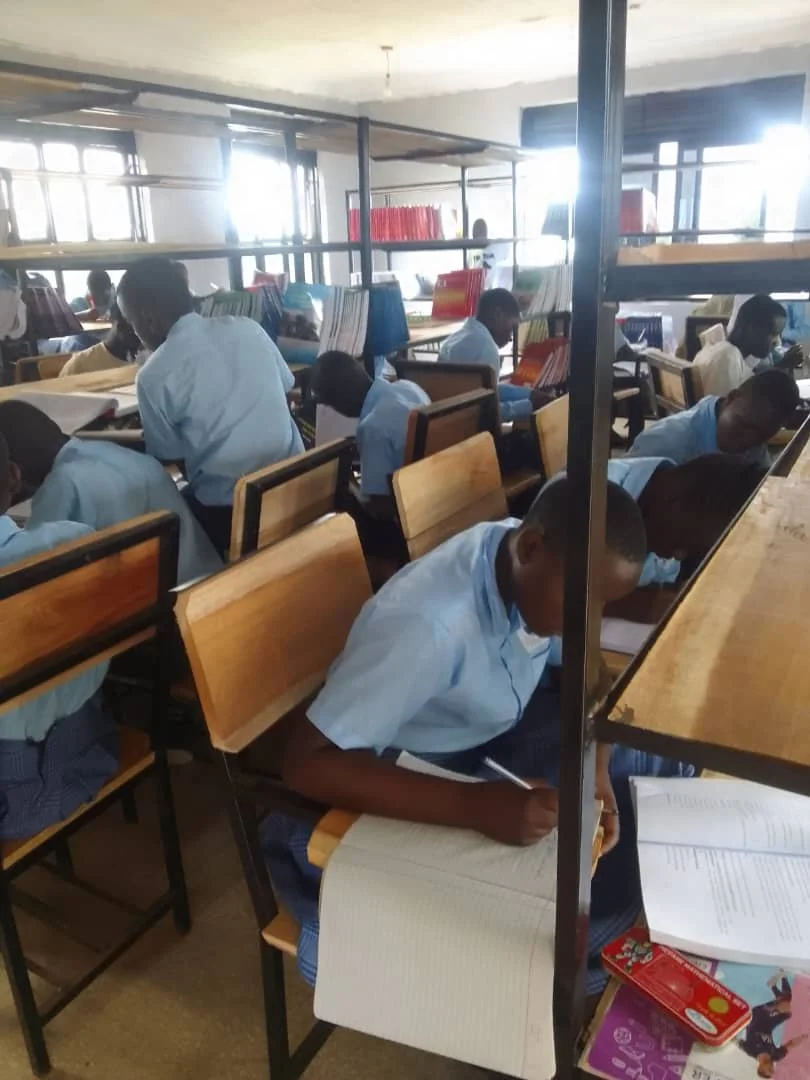
The Educational Tool: Schools provide a structured environment to teach vital health education, sanitization, disease prevention, and nutrition.
The Biblical Value: Western Christian tradition highly values the sanctity of life and treats the human body as a temple of the Holy Spirit. Caring for physical health is viewed as an act of worship and respect toward the Creator.
The Impact: Educated children bring basic health hygiene practices home to their families. This significantly lowers infection rates, reduces medical expenses, and keeps more children healthy and inside the classroom.
4. Character, Integrity, and Community Leadership
True community transformation requires leadership that resists corruption and prioritizes the common good.
The Educational Tool: The classroom acts as a micro-society where children learn collaboration, rule-following, and civic responsibility.
The Biblical Value: The core tenets of Christian character—honesty, humility, justice, and the Golden Rule ("Love your neighbor as yourself")—are woven into daily mentorship.
The Impact: As K-12 students grow into adulthood, they carry a deeply rooted moral compass. They become ethical business owners, compassionate healthcare workers, and honest leaders who actively work to lift their entire community out of systemic poverty.
From a Mud-Walled Classroom to Lasting Impact: Florence’s Story
In a small, dust-swept village just outside of Jinja, Uganda, a young girl named Florence used to sit on a jerrycan in a makeshift classroom. Like many children in her community, Florence’s childhood was overshadowed by hardship. Her father battled chronic malaria, which routinely wiped out the family’s meager income from subsistence farming. School fees were a luxury they simply could not afford. Survival took priority over schooling.
Everything changed when a sponsor stepped in, viewing Florence not as a statistic of poverty, but as a child designed with divine purpose.
Through this sponsorship, Florence received a holistic K-12 Christian education. In the classroom, she mastered mathematics and science. In chapel and mentorship groups, she learned about the biblical call to stewardship and love for one’s neighbor. Crucially, the school provided clean drinking water, nutritious meals, and regular health check-ups, shielding her from the illnesses that plagued her village.
Florence didn't just escape the cycle of poverty; she broke it for her entire family. Armed with her education and a deep-seated desire to serve her community, Florence went on to study nursing in Kampala. Today, she is back in her home region, managing a local clinic. She treats preventable illnesses, teaches maternal health, and funds the education of her younger siblings.
"Because someone invested in her mind and soul, Florence transformed from a vulnerable child into a pillar of health and hope for her community."